The 80/20 Wardrobe Crisis
Fashion psychology research consistently demonstrates that the average adult wears only 20% of their wardrobe 80% of the time. The remaining 80% represents dead capital, cognitive friction, and daily morning decision fatigue.
Historically, "Capsule Wardrobes" were cumbersome analog experiments—rigid 33-piece racks tracked on messy spreadsheets or pinned to moodboards. When seasons shifted or unforeseen rainstorms struck, static capsules collapsed under real-world weather variability.
The 2026 Paradigm Shift: A modern capsule is not a static list of clothes; it is an intelligent combinatorial graph that synthesizes weather forecasts, personal thermal biometrics, and versatile layering staples.
The 4-Step Blueprint to Digitizing Your Wardrobe with AI
Leveraging modern on-device computer vision transforms closet management from a tedious weekend project into a frictionless 10-minute setup:
Zero-Latency On-Device Capture
Snap a photo of any shirt, jacket, or trouser against any background. The Apple Neural Engine instantly separates the garment from the background with sub-pixel edge detection—zero waiting and zero cloud upload.
Color Harmonization & The 60-30-10 Rule
Harmonize your palette. High-versatility capsules require an interlocking color matrix that guarantees nearly every top matches every bottom without clashing.
Layering Versatility Indexing
Assign each item a layering role (Base, Mid, Outer). The algorithm calculates permutations to ensure complete 3-season adaptability across 50°F to 85°F (10°C to 30°C).
Dynamic Weather & Occasion Synthesis
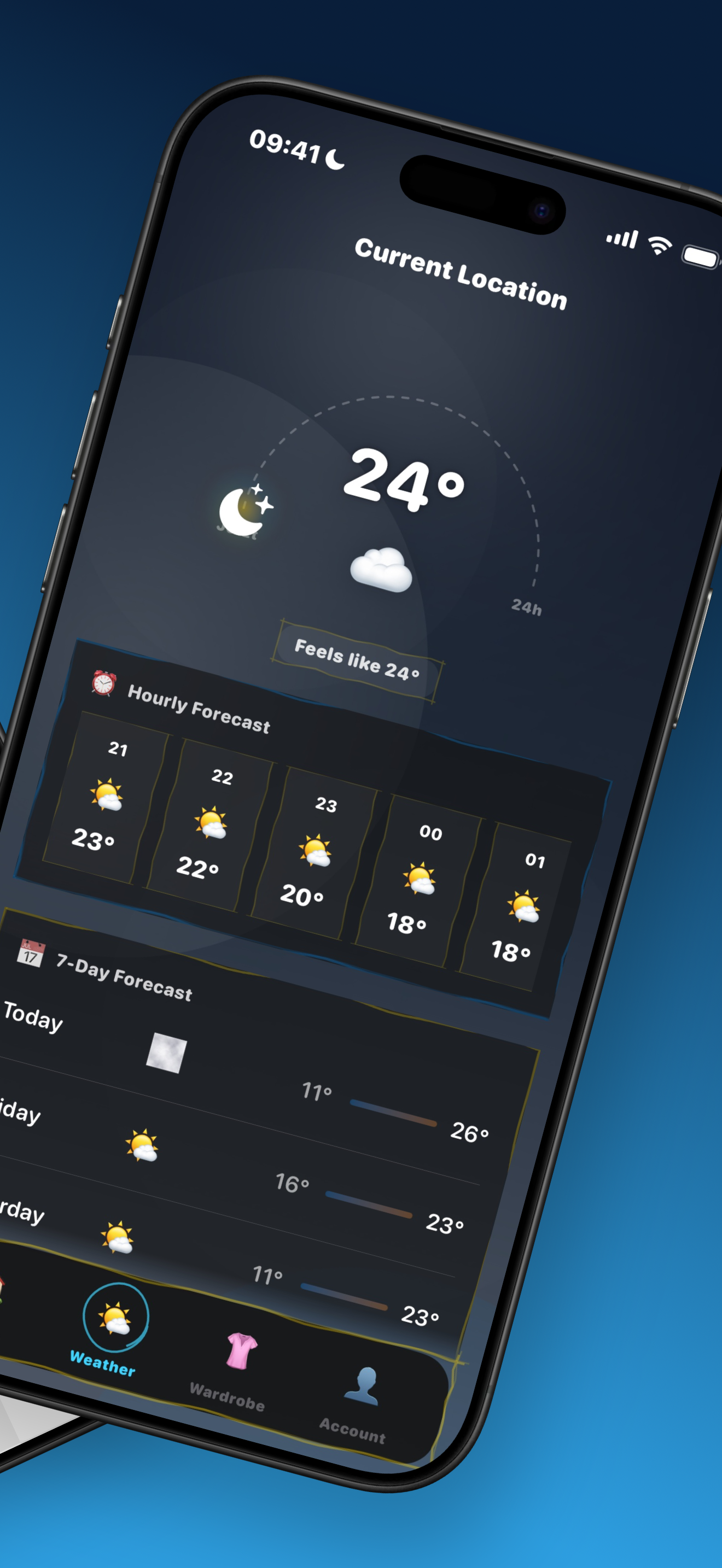
Connect your digital items with multi-model hourly forecasts so your daily outfit matches expected rain, temperature swings, and formal dress codes automatically.
The 60-30-10 Capsule Color Framework
To prevent a capsule wardrobe from feeling monotonous while ensuring 100% interoperability, structure your digitized closet around three distinct tiers:
The 30-Piece Universal 2026 Capsule Matrix
Here is the ideal baseline distribution for year-round versatility across work, weekend, and travel:
| Category | Item Count | Recommended Core Items | Layering Role |
|---|---|---|---|
| Base Tops | 8 Items | 4 Supima Cotton Tees (White, Black, Navy, Grey), 2 Oxford Button-Downs, 2 Linen/Silk blend shirts | Base Layer |
| Mid-Layers | 6 Items | 2 Heavyweight Overshirts, 2 Merino Crewneck Knits, 1 Quarter-Zip, 1 Knit Cardigan | Thermal Buffer |
| Outerwear | 4 Items | 1 Technical Mac/Trench Coat, 1 Unlined Chore Jacket, 1 Wool Topcoat, 1 Lightweight Puffer | Shell Barrier |
| Bottoms | 6 Items | 2 Tailored Chinos (Olive, Sand), 2 Selvedge Jeans (Dark Indigo, Washed), 2 Relaxed Wool Trousers | Foundation |
| Footwear & Misc | 6 Items | 1 Minimal White Leather Sneaker, 1 Suede Chelsea Boot, 1 Leather Derby, 1 Technical Runner, 2 Belts | Grounding |
Why On-Device AI Architecture Is Non-Negotiable
Many fashion platforms require users to upload their personal wardrobe photos to centralized cloud servers. This exposes personal spaces, laundry tags, and private metadata to third-party data brokers.
The Layer Privacy Standard
- 100% Apple Neural Engine Processing: Background cutout and object recognition occur in milliseconds on your iPhone's local silicon.
- Zero Cloud Scraping: Your clothing images and biometric settings are stored locally in encrypted SwiftData containers.
- Offline Independence: Create outfits and plan your travel wardrobe without requiring cellular connectivity.
Tracking Wardrobe ROI & Cost-Per-Wear (CPW)
The ultimate metric of wardrobe efficiency is Cost-Per-Wear (CPW):
CPW = Garment Retail Price ÷ Total Number of Wears
A $250 Japanese selvedge denim worn 180 times achieves a CPW of $1.38, whereas a $40 fast-fashion sweater worn twice costs $20.00 per wear. Layer automatically logs your outfit history to reveal your true high-ROI garments and eliminate wasteful future purchases.